
.gif?alt=media&token=bbfa1029-f026-4479-ae68-e297e415e9ef)

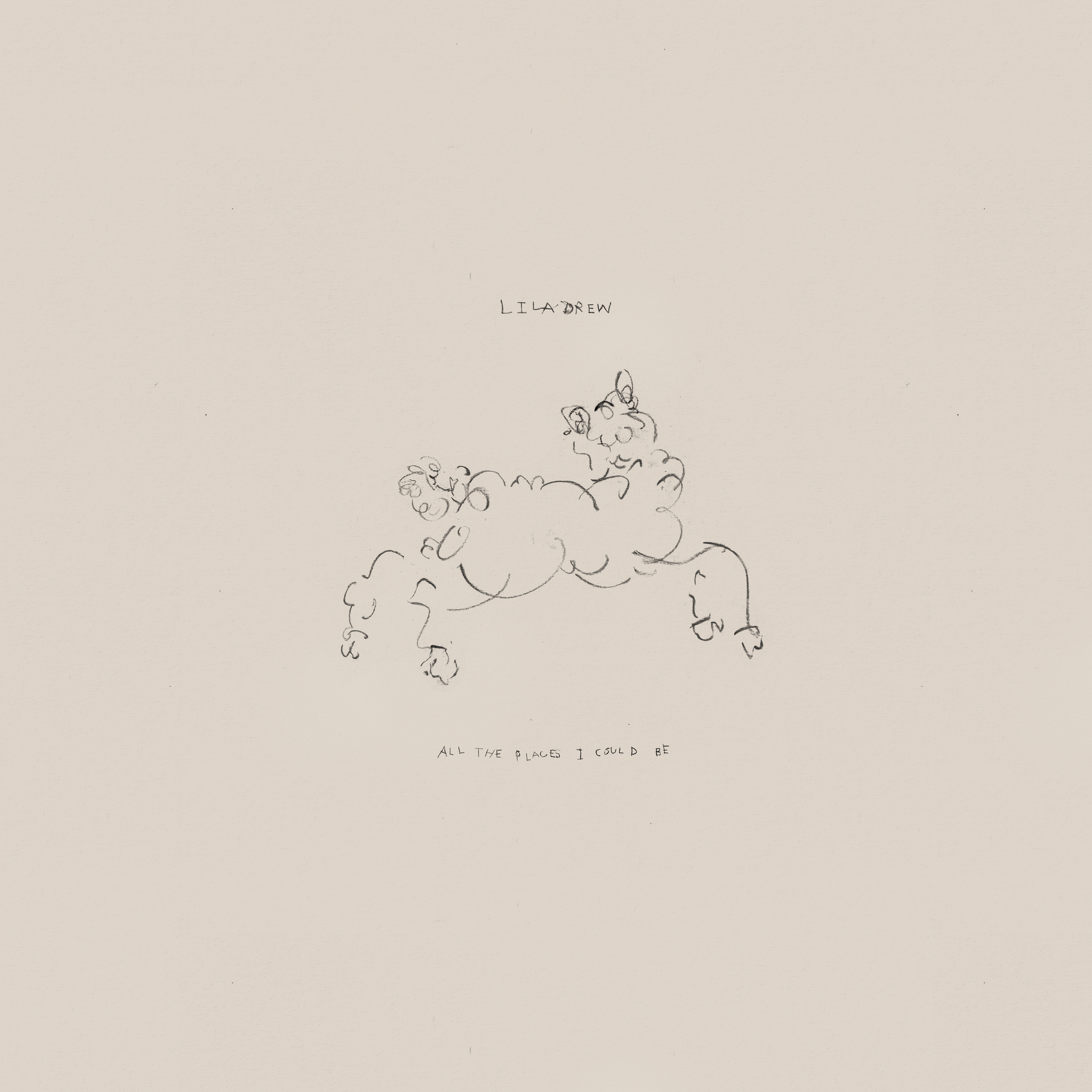







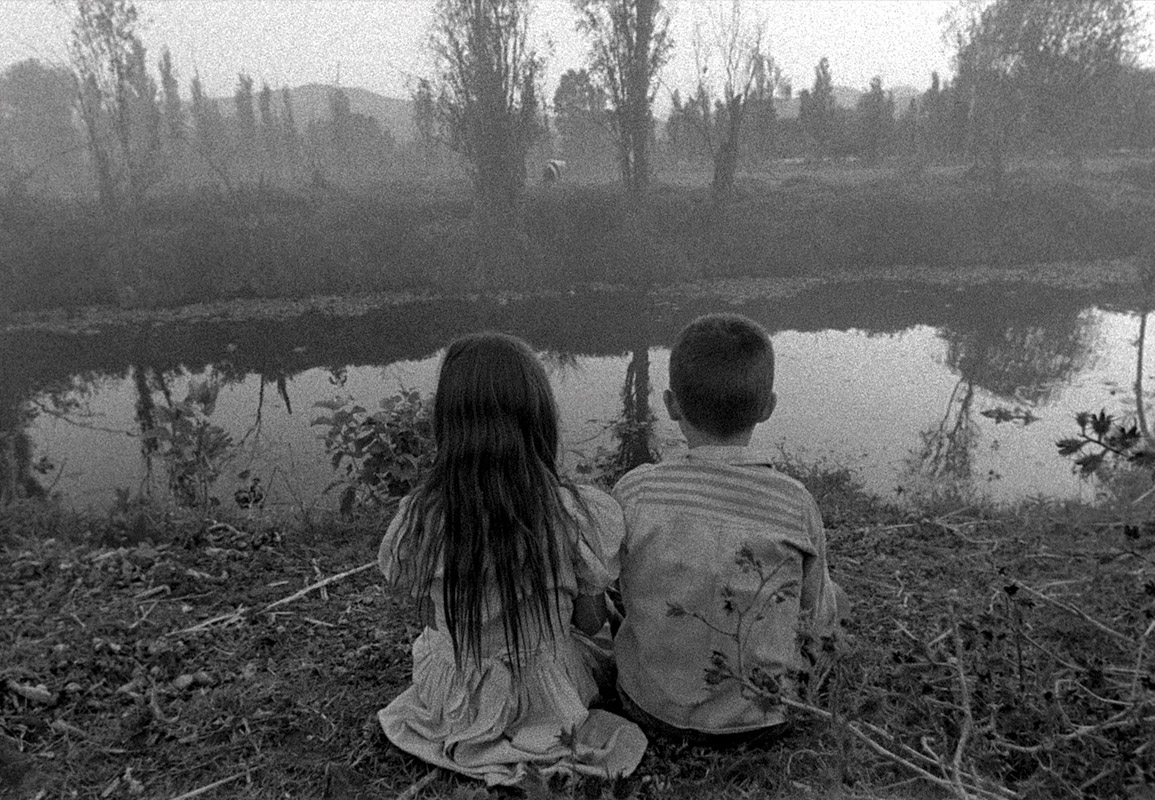
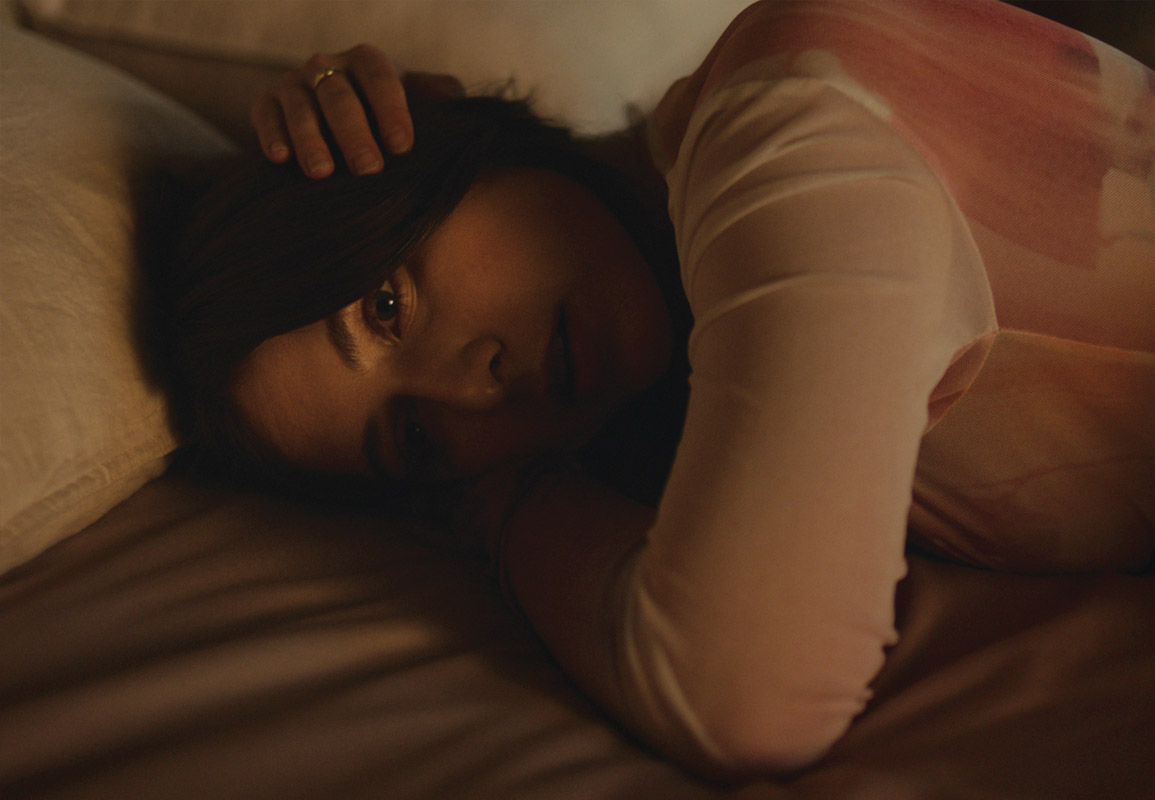
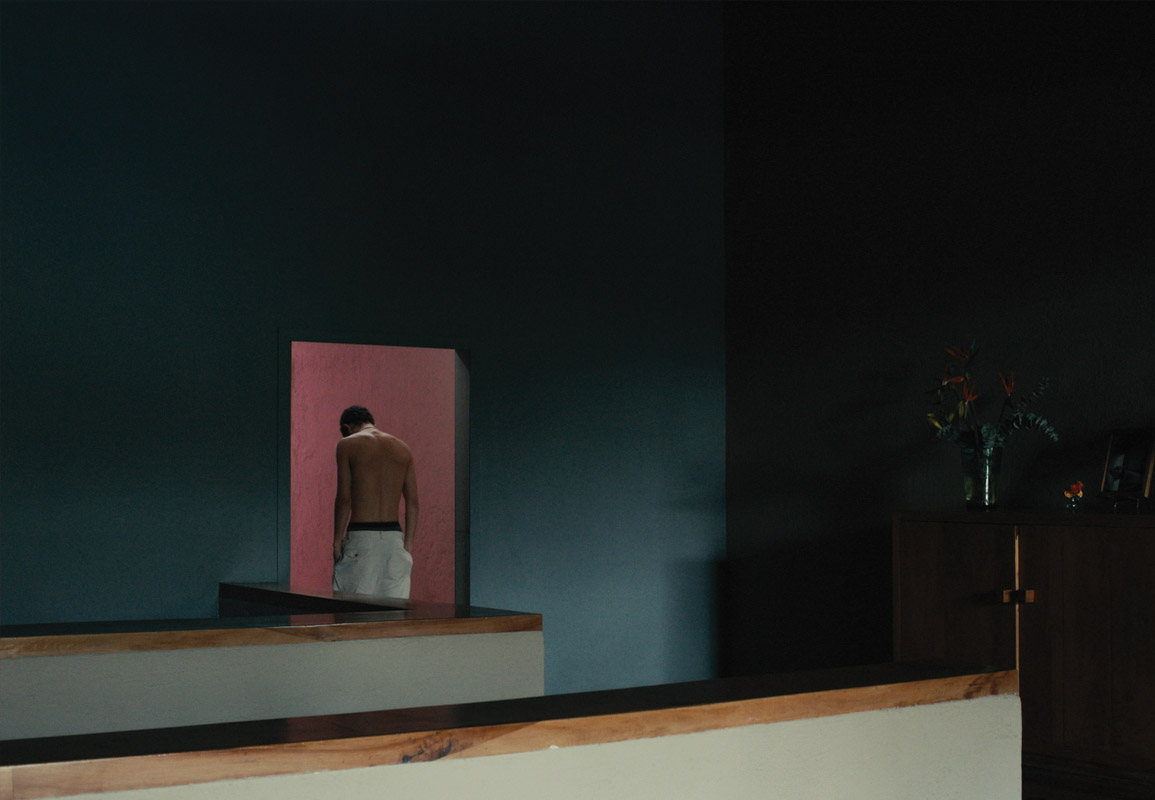

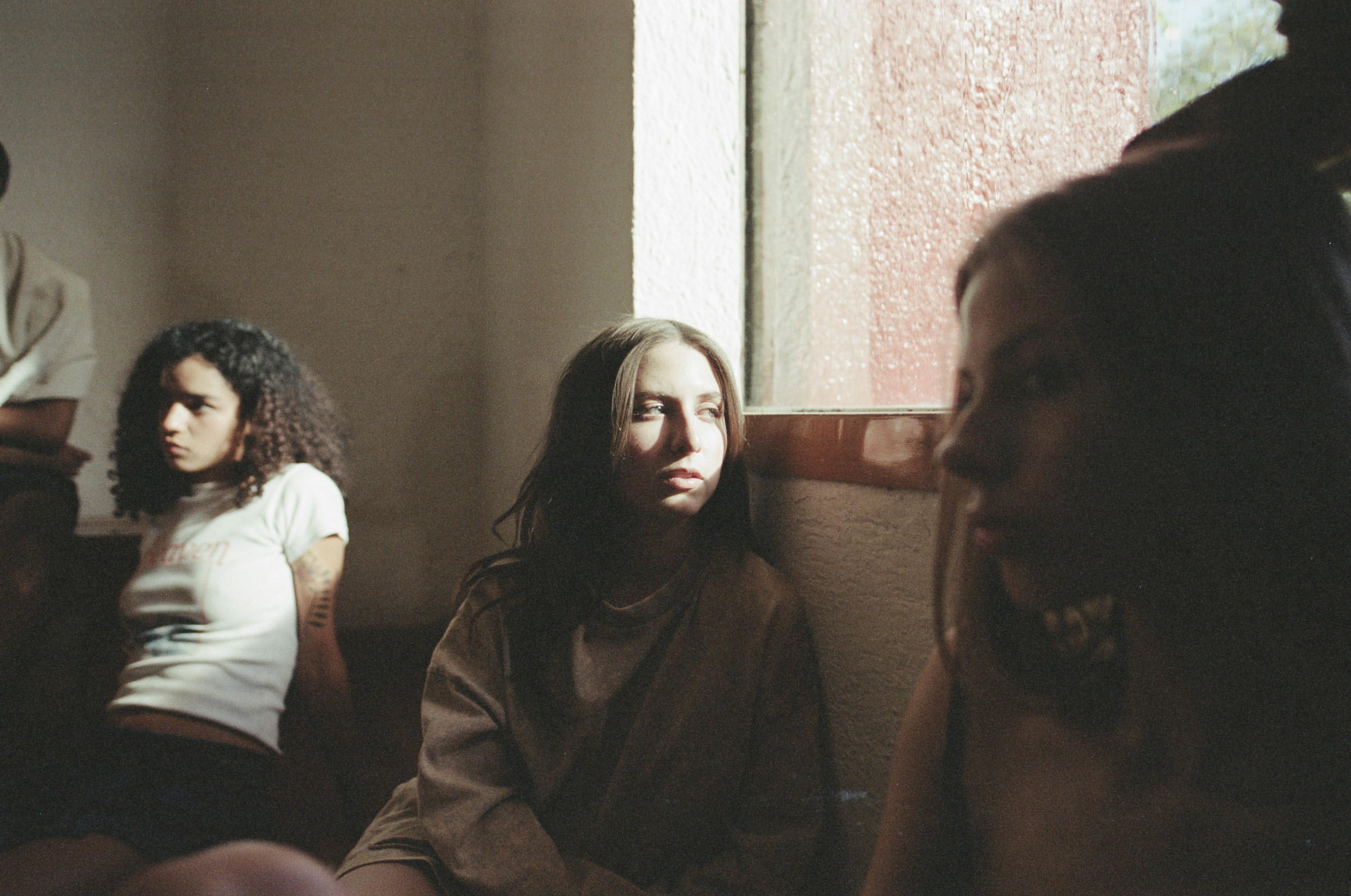
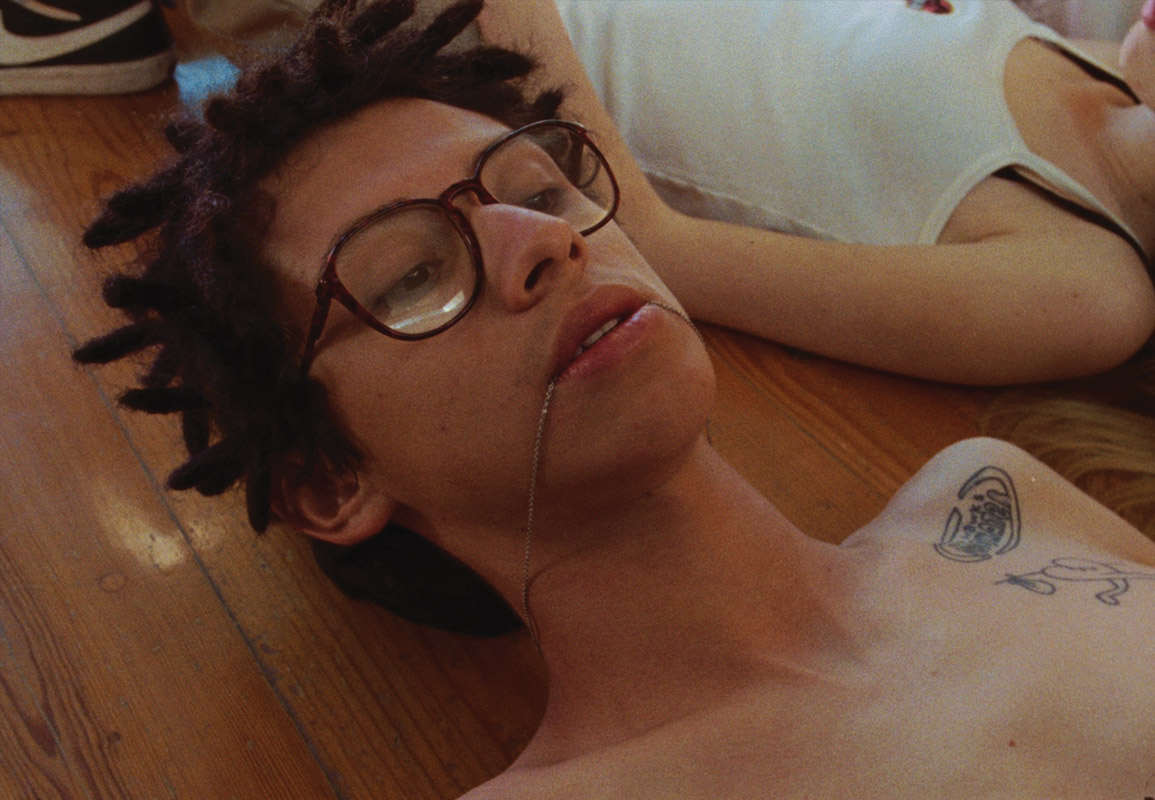
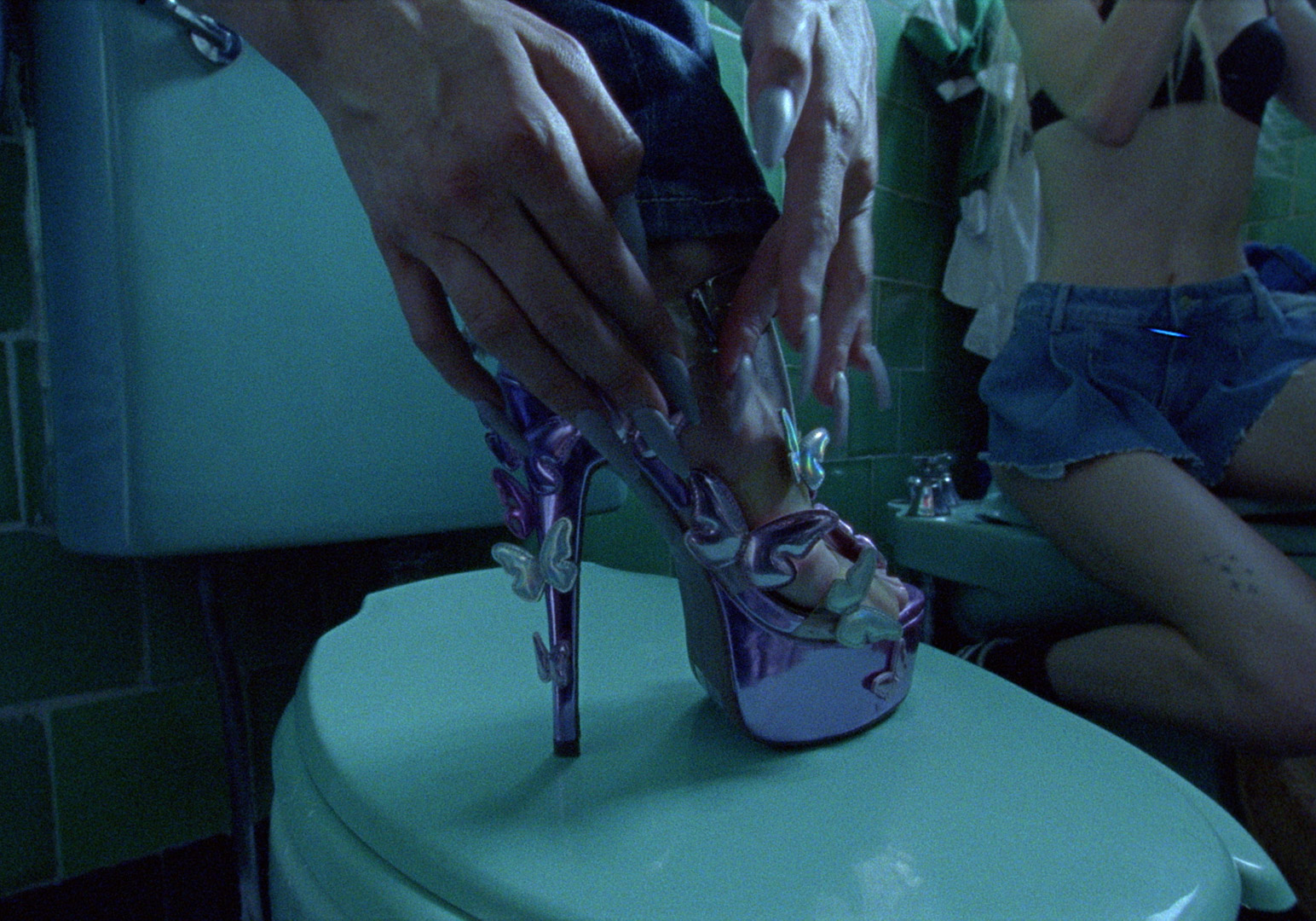
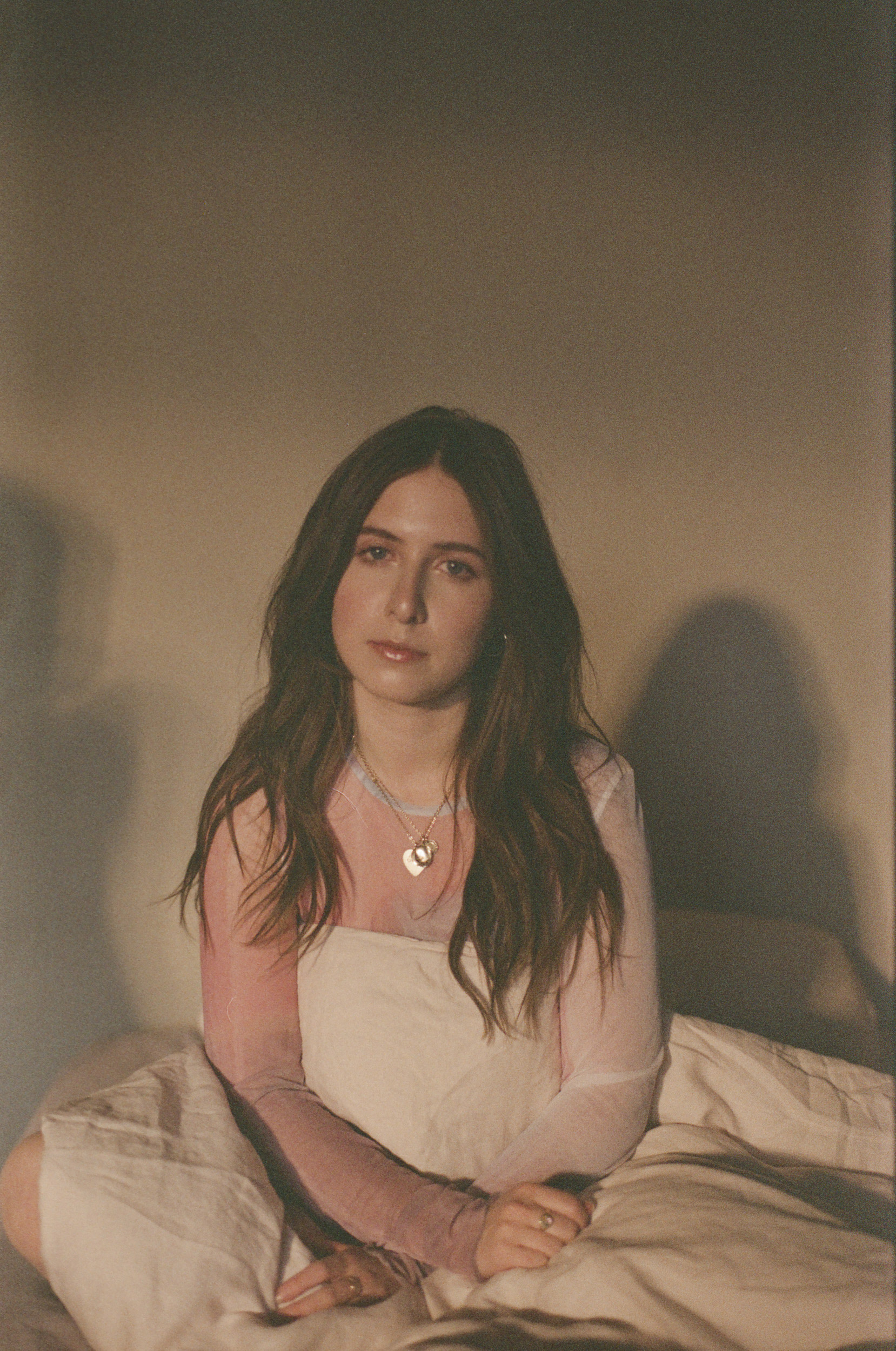


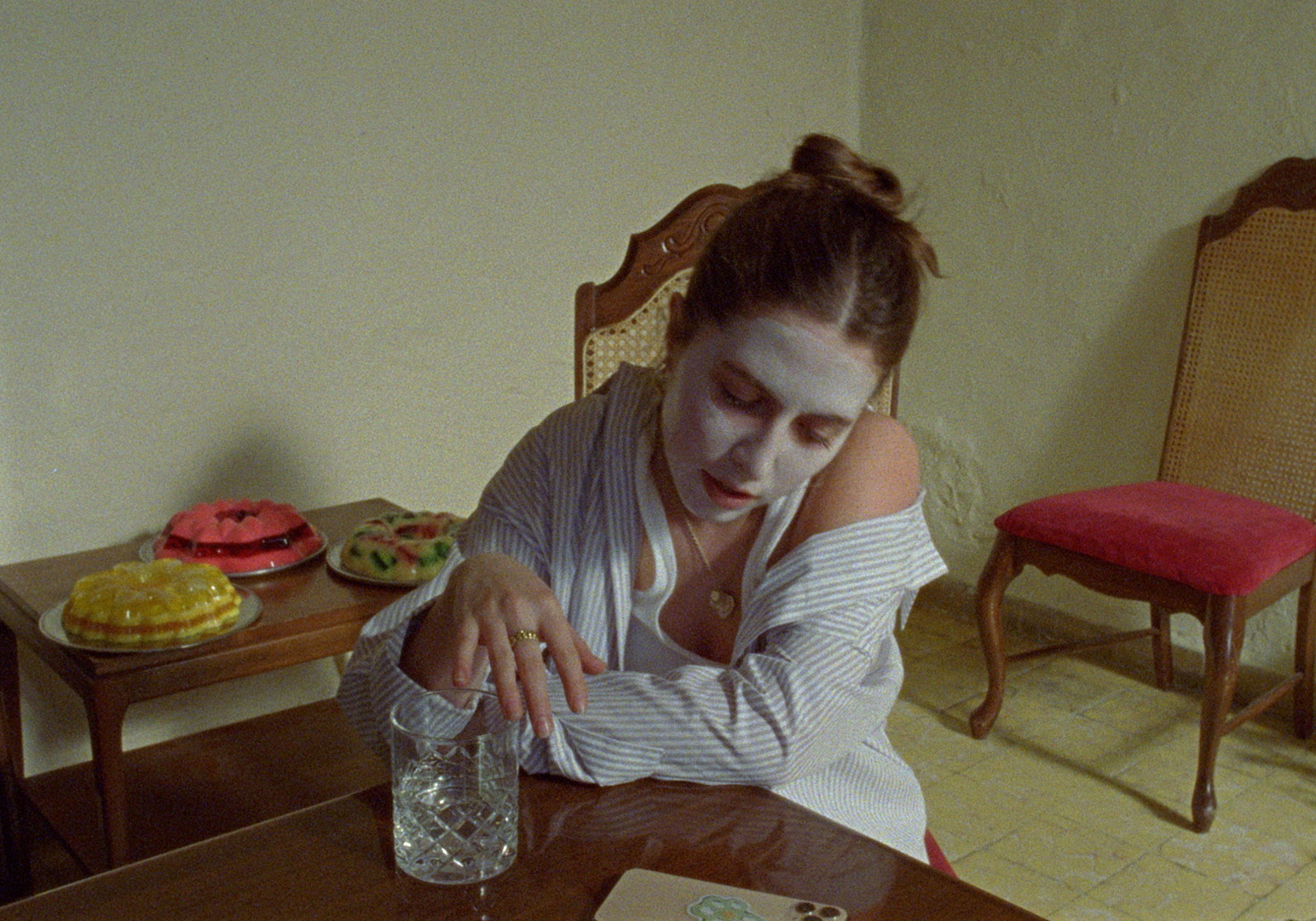
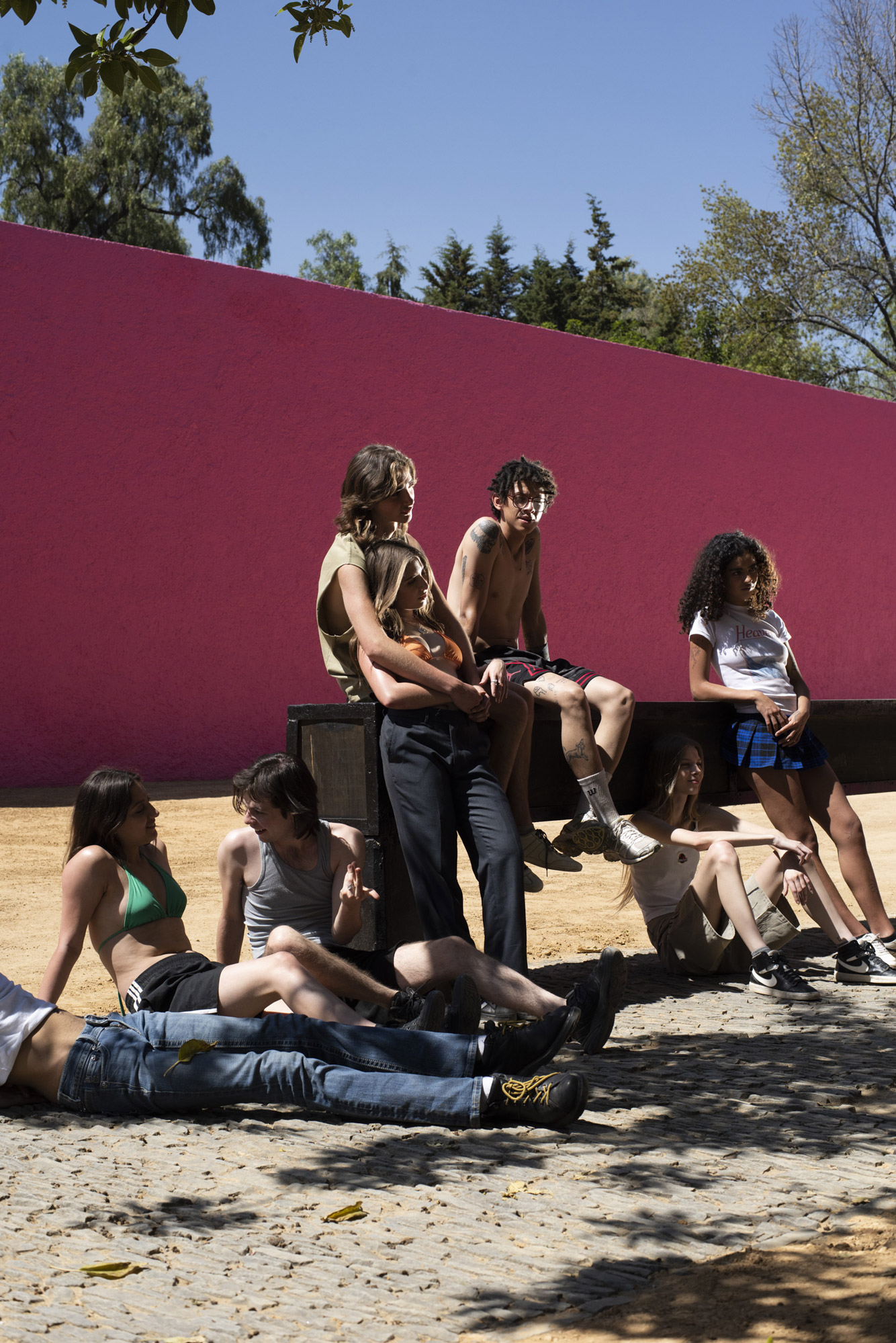
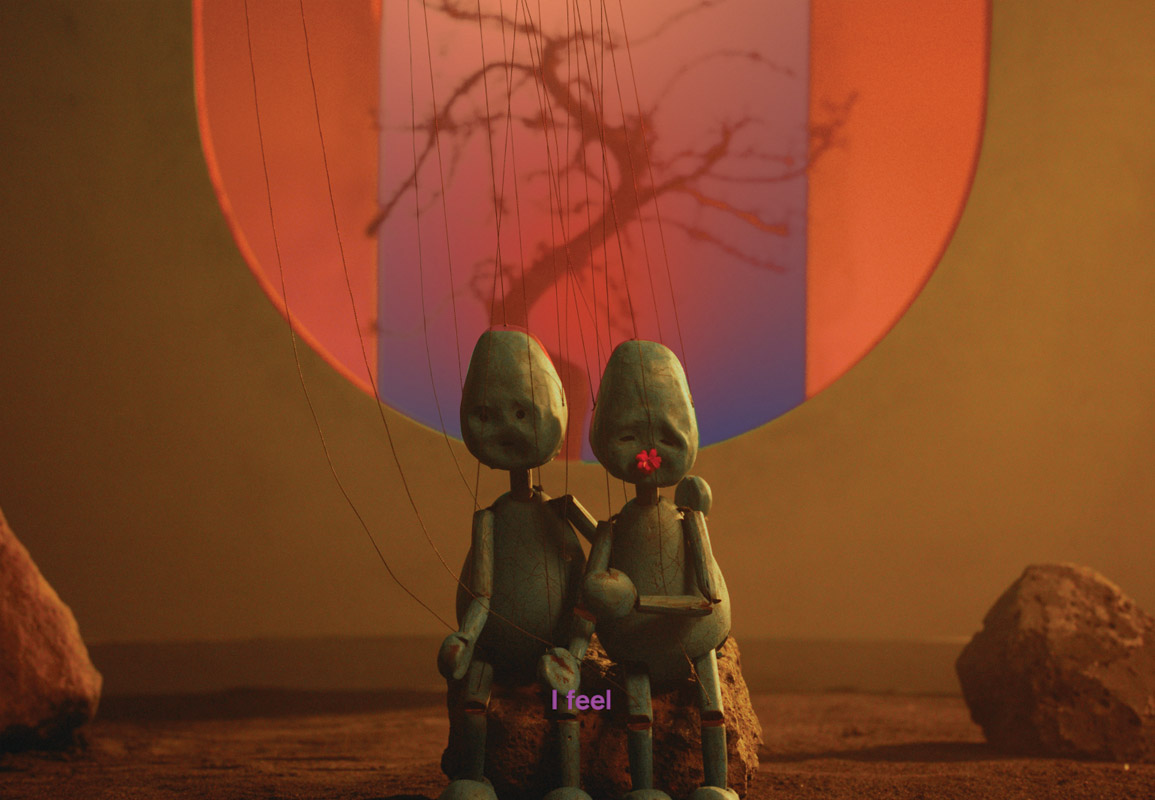


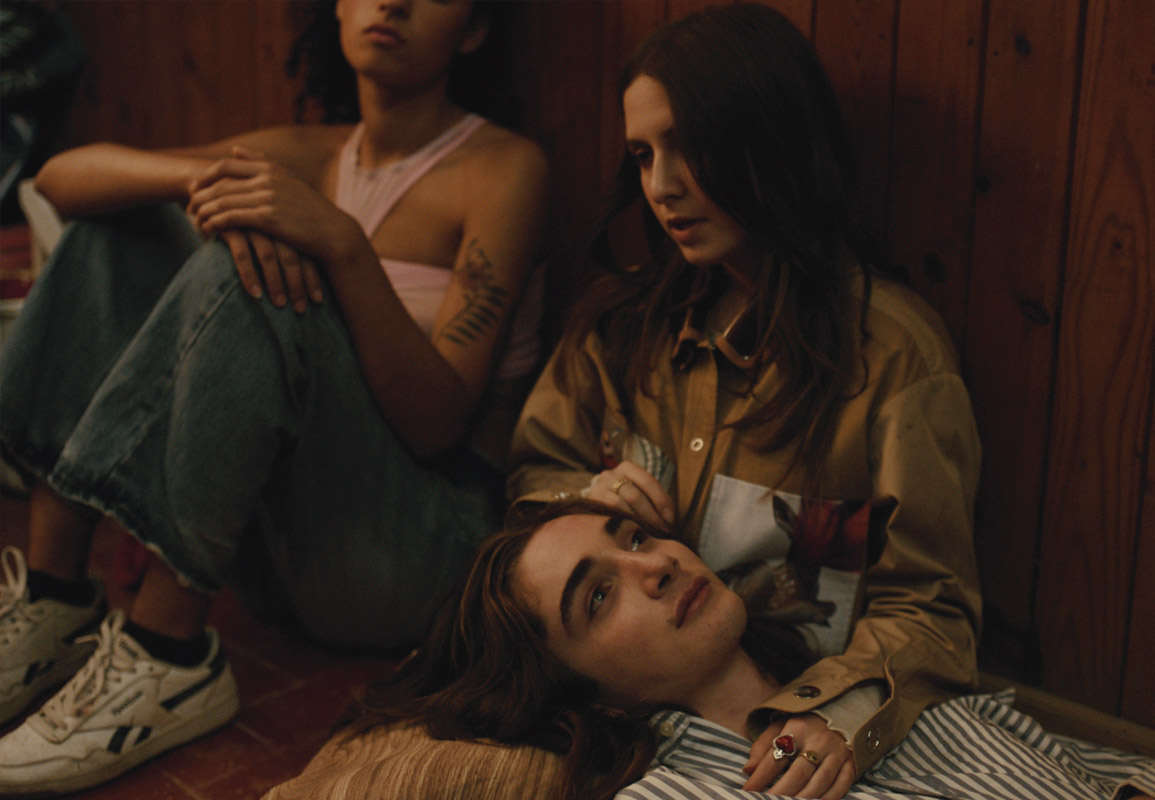

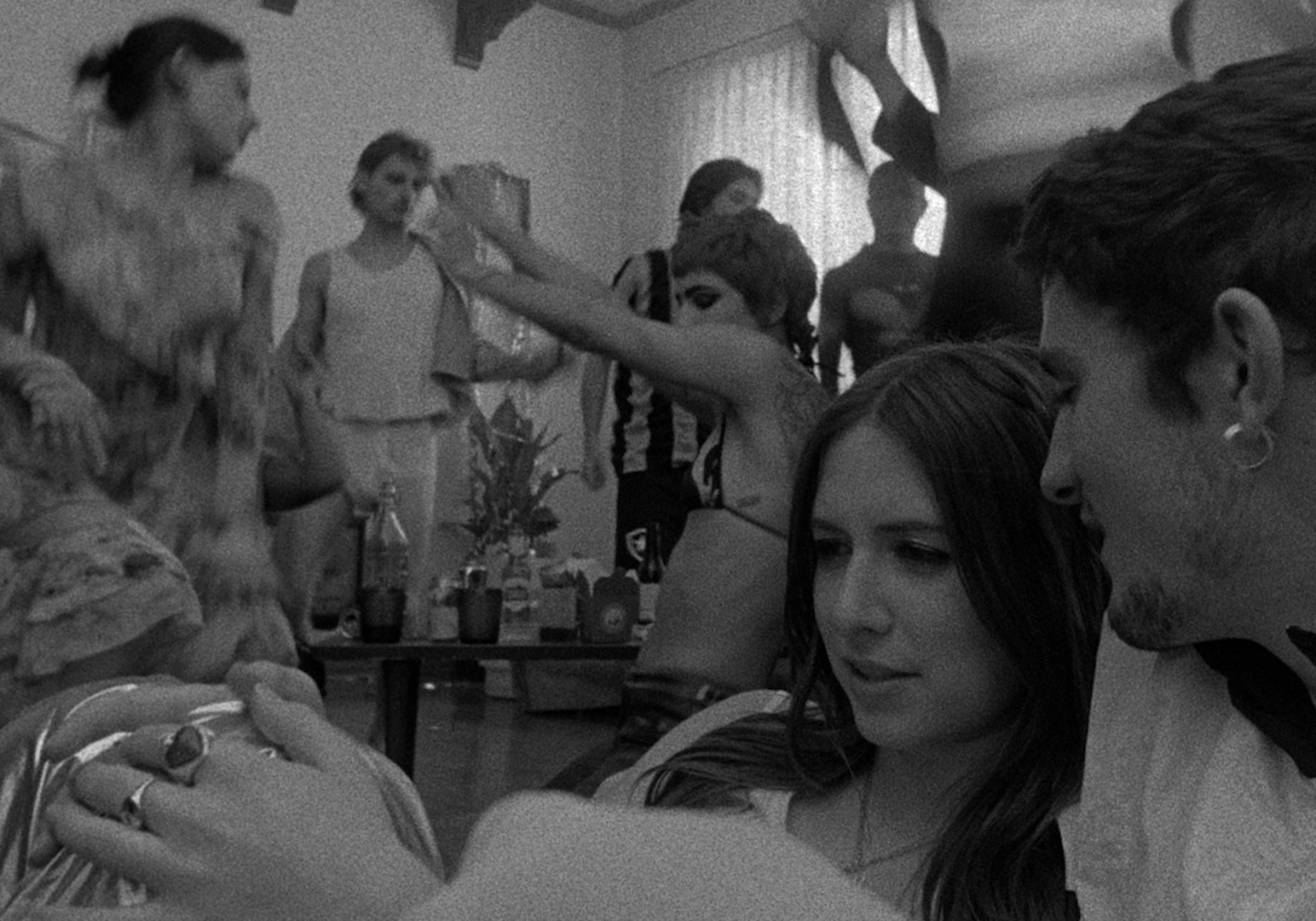
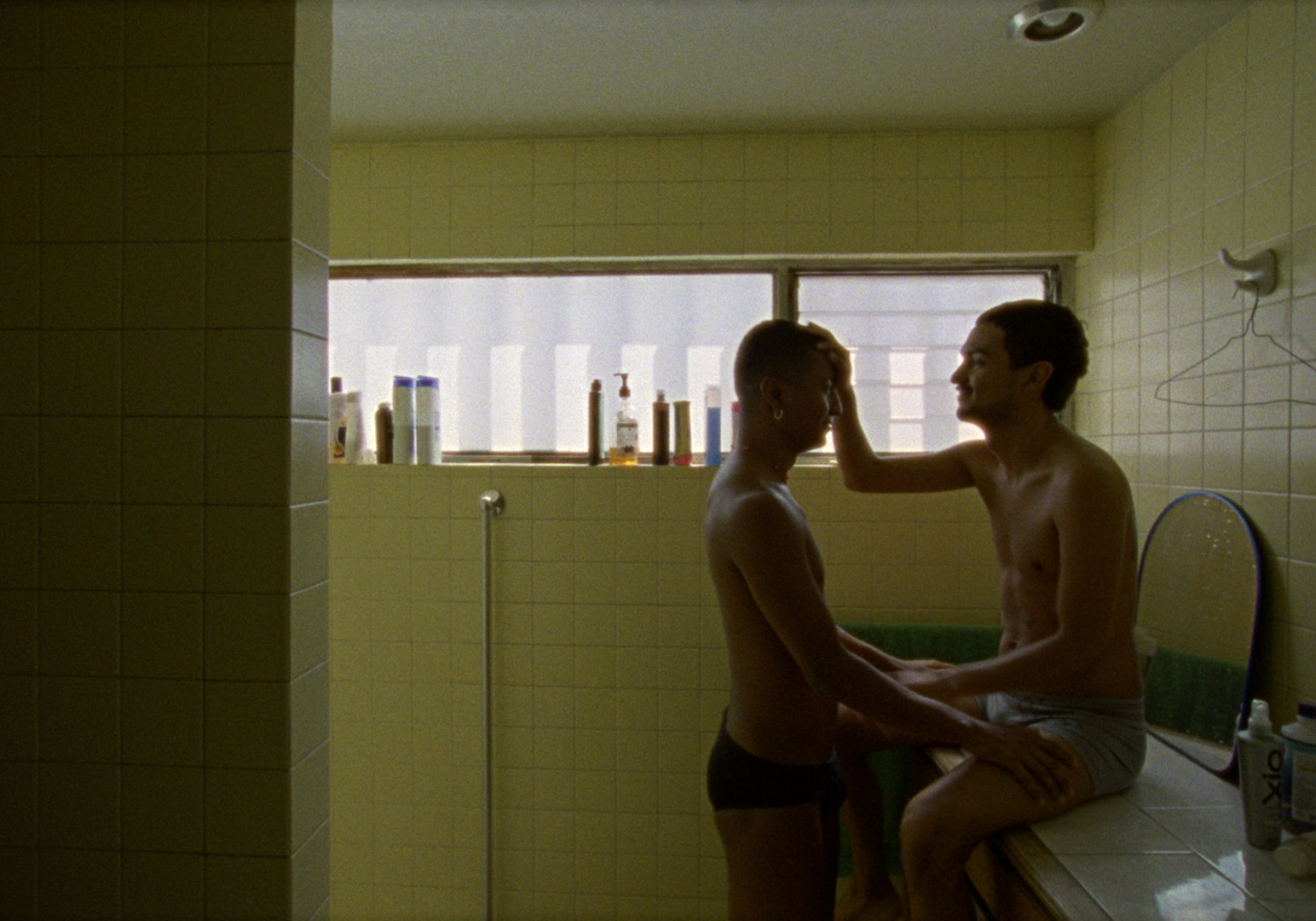
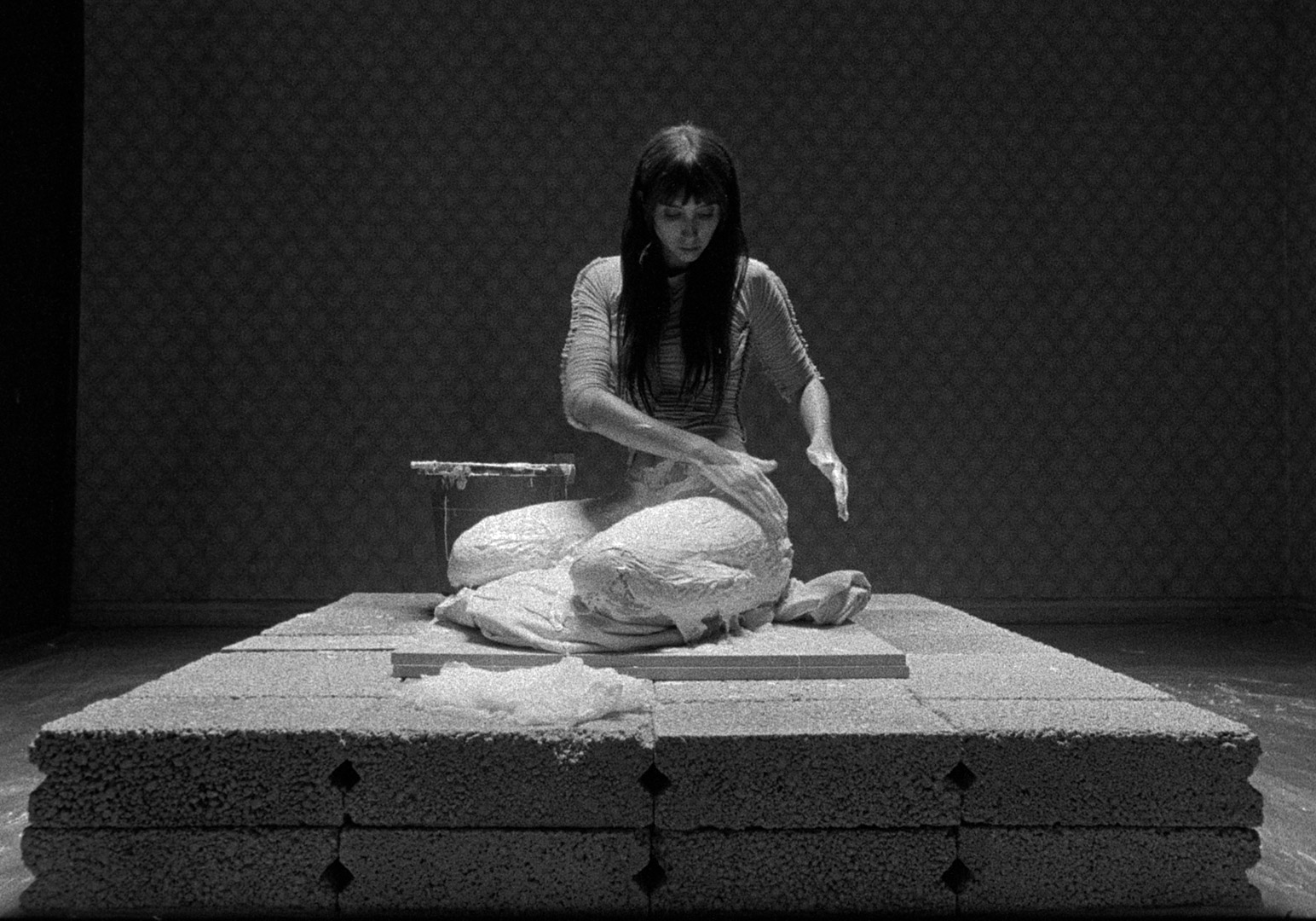
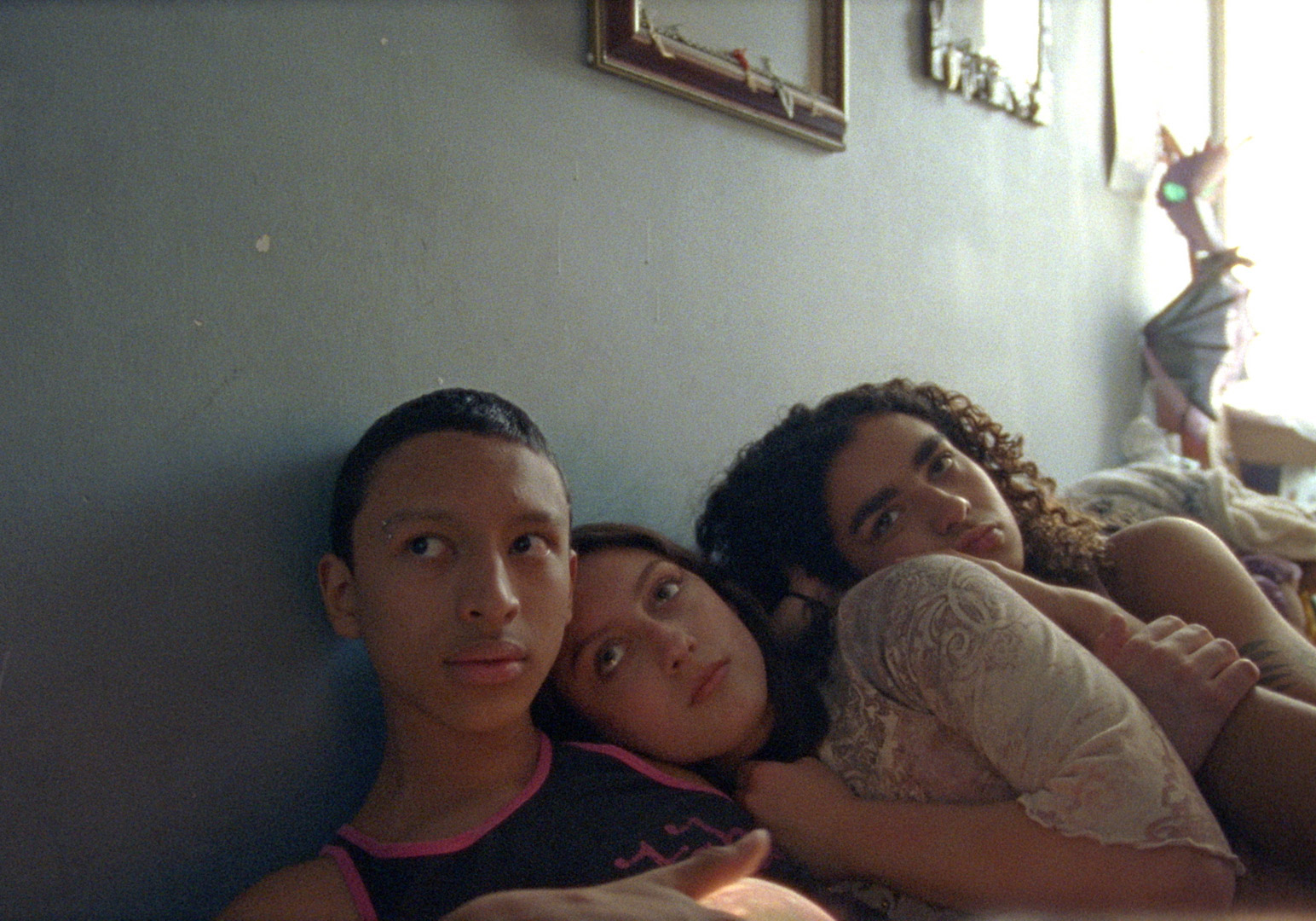
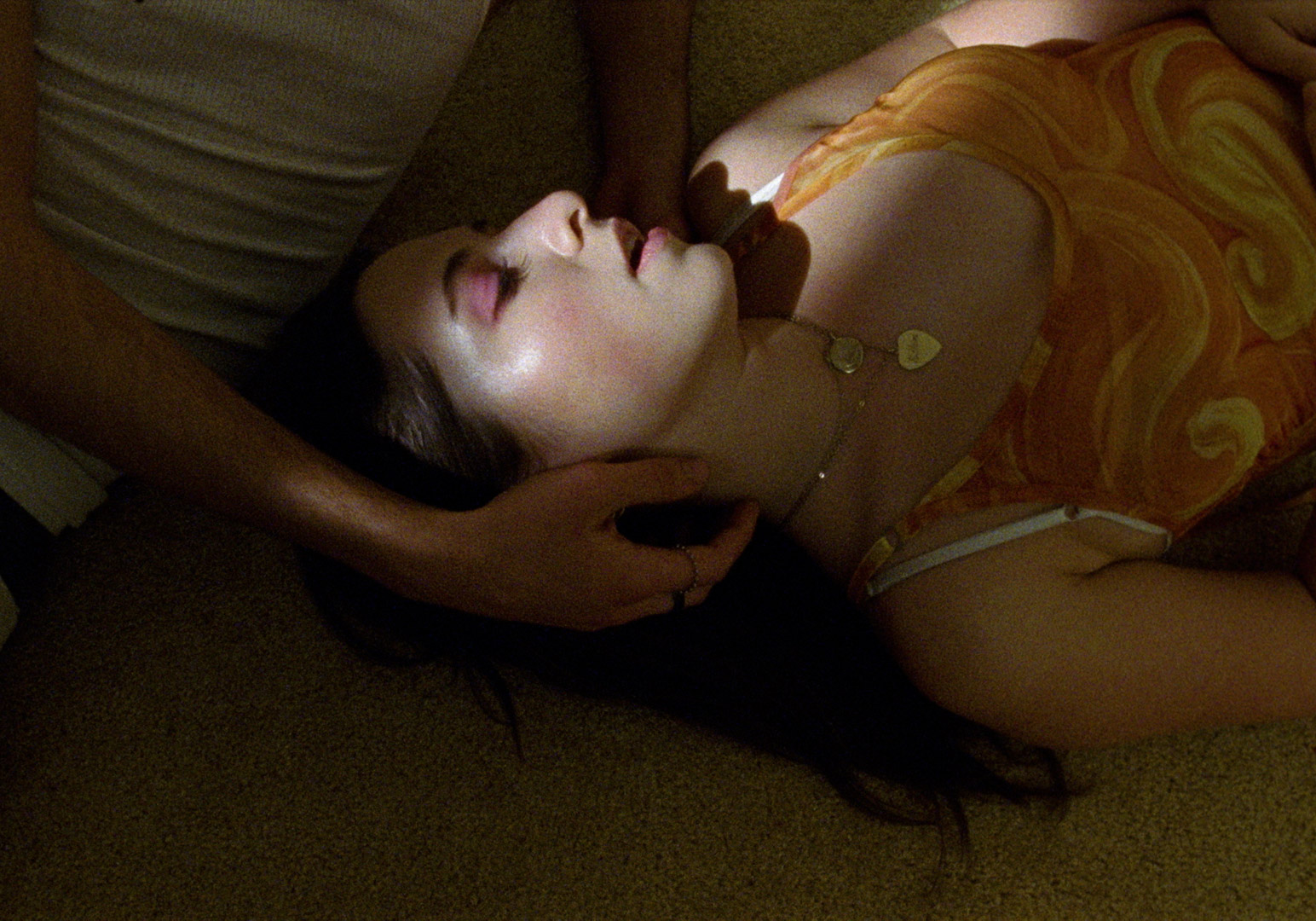
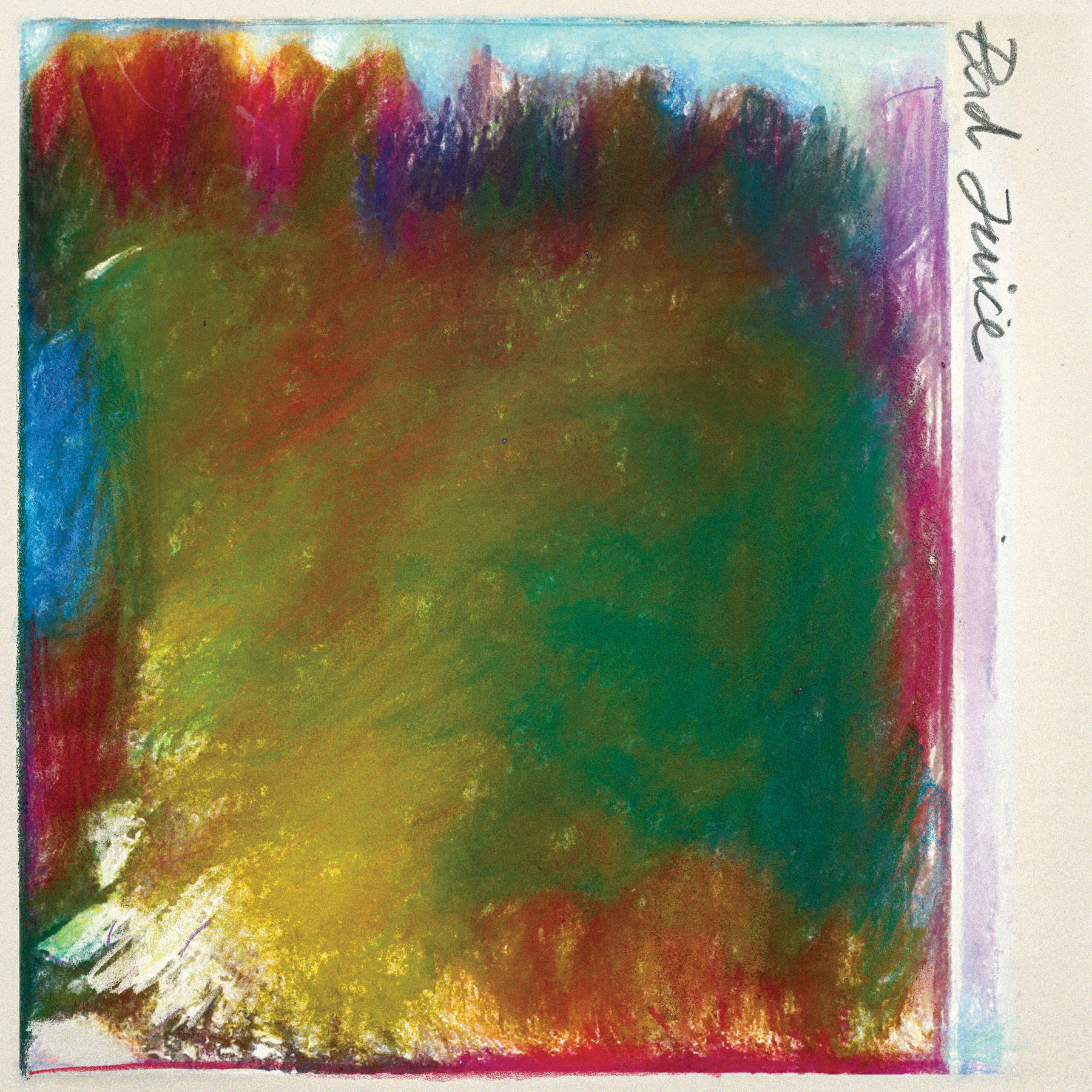

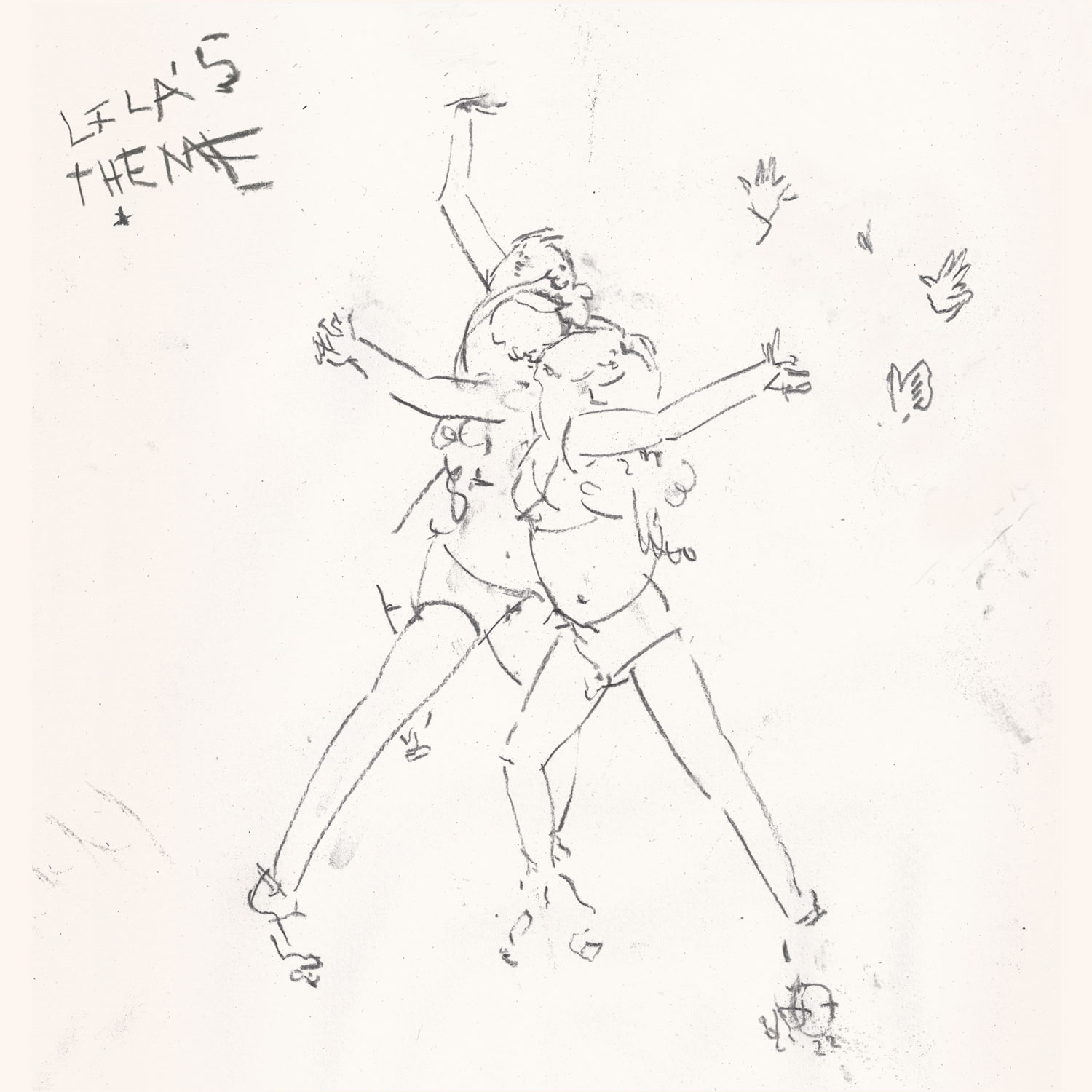

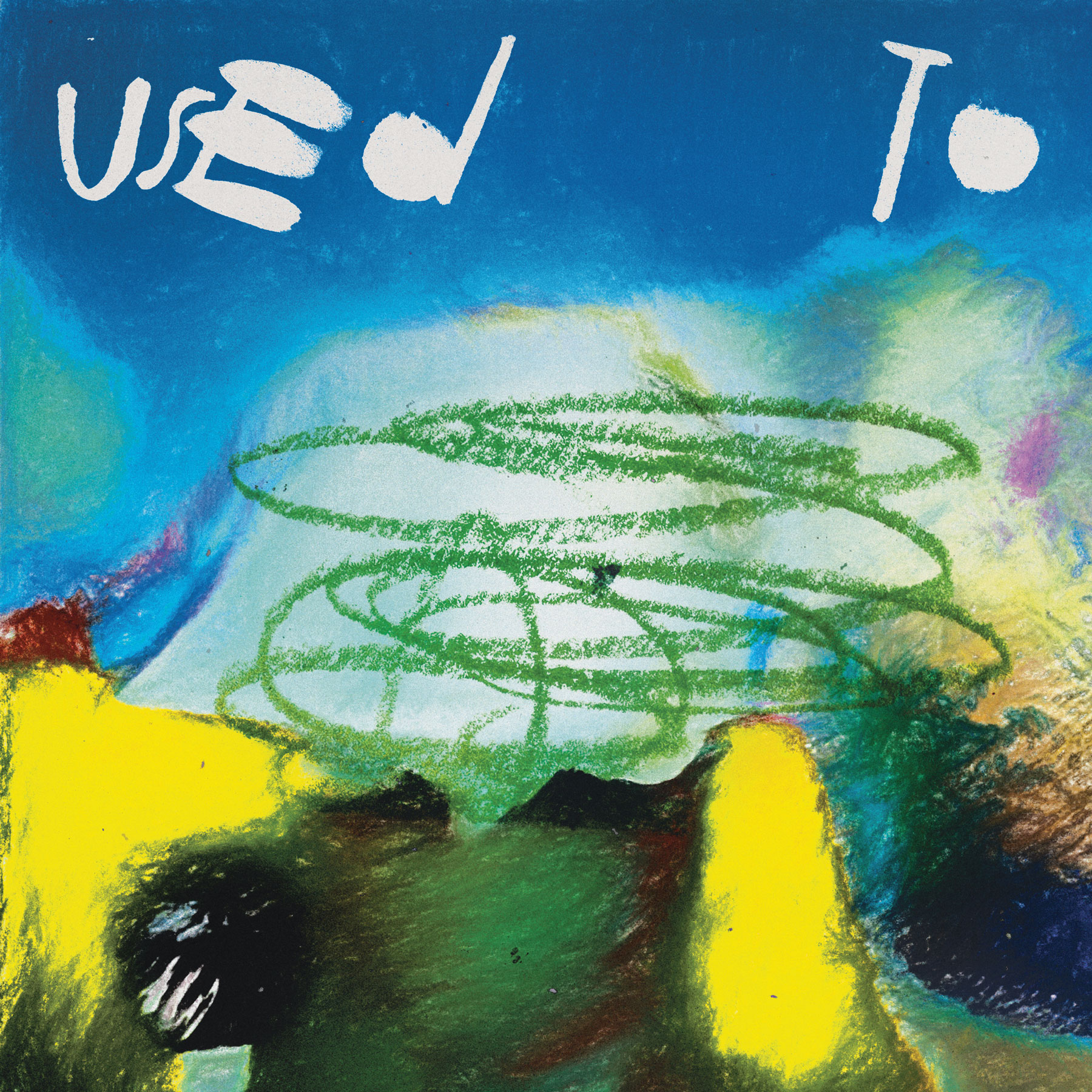
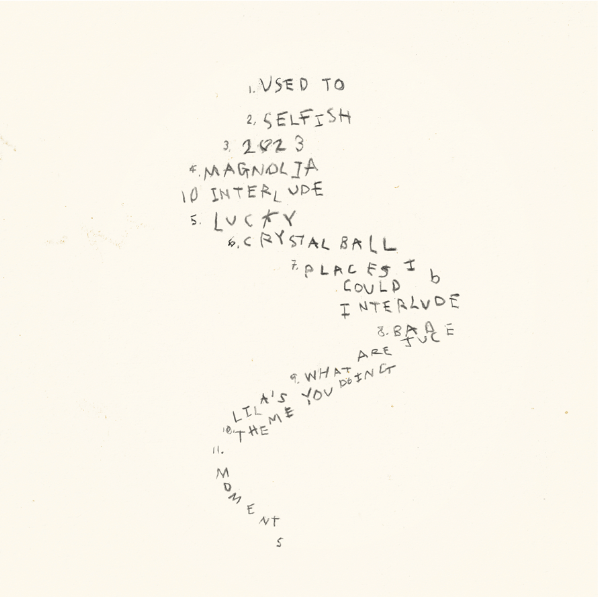



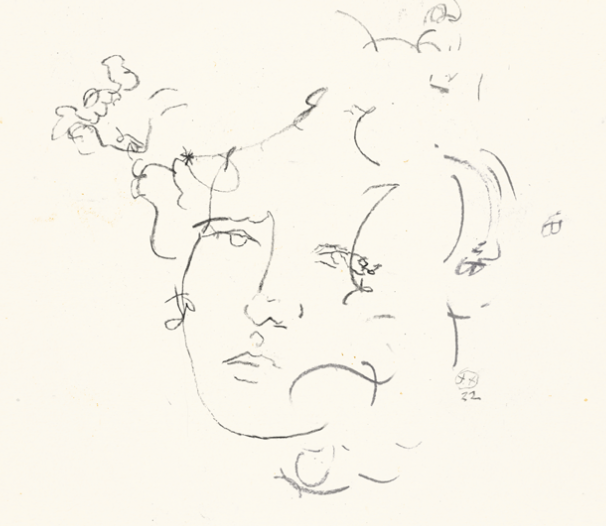

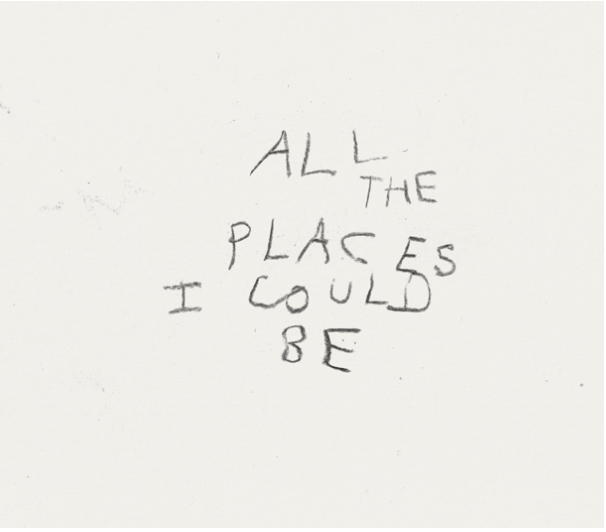

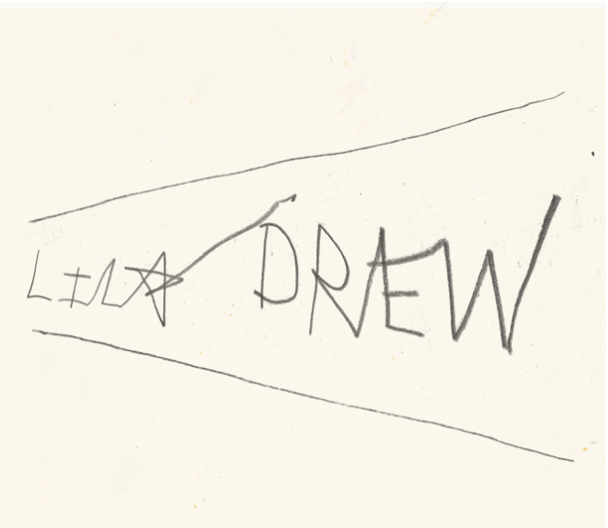
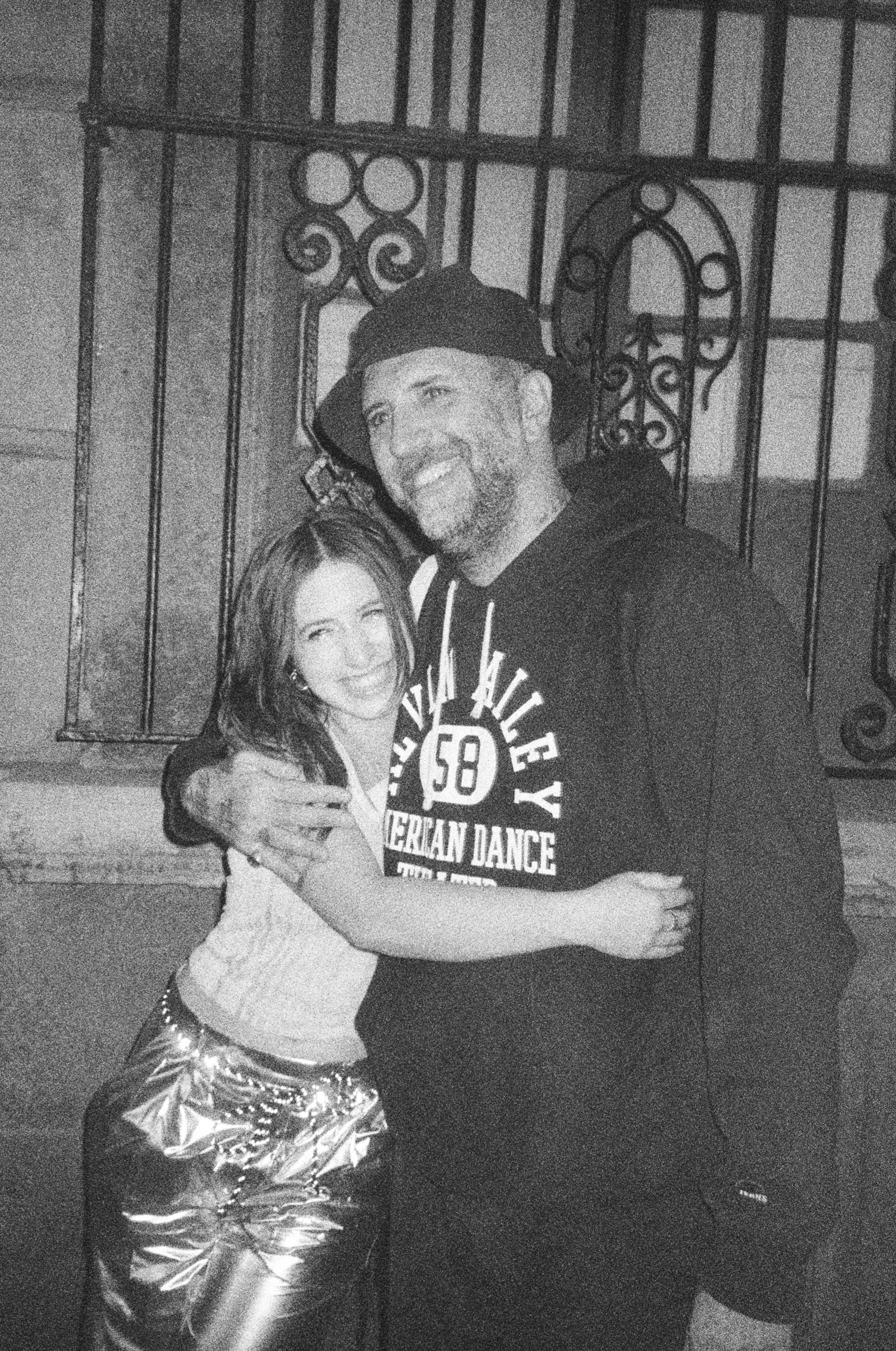
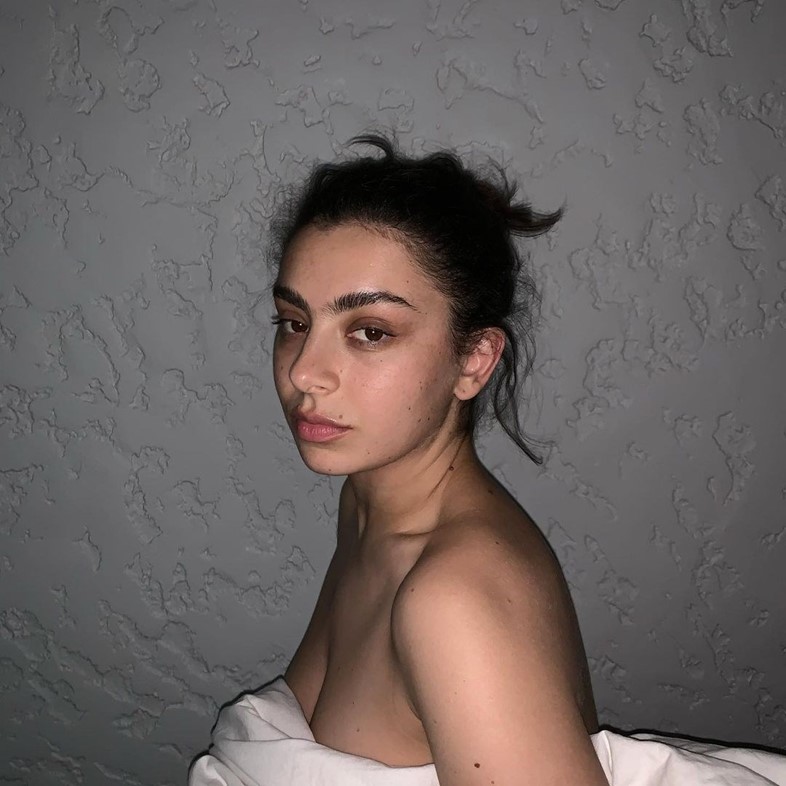
“When it comes to creative, especially when working with Vince, he really saw me and all of those imperfect elements both in who i am naturally and in what i tried to create in the music. We were really inspired by 90s campaigns -- Helmut Lang ads, Dave Araki films, things like that. I was particularly inspired, visually, by Tracey Emin. I love her short films that she made in the 90s, such as Why I Never Became A Dancer. Jack Taylor Lovett (who drew the artwork for the album cover along with other pieces of art for this album) was really inspiring too. We wanted to capture the spirit of the album, and his work plays on youthfulness and humor and simplicity. All of Jack's work is attracted to the point that you just understand what it is -- I love that you get to discover something in that. I hope that that sense of discovery runs through both the creative and the music -- that's what this piece of music served for me. “ - Lila Drew
“What surprised me about All the Places I Could Be was the exploration – from one song to the next it truly felt like a journey, and as Lila grew, so did the songs. The album feels like an intimate narration of her life, thoughts, fears, etc. And that idea, the feeling of a journey and self discovery is what inspired the visuals for the campaign.”
- Vincent Haycock














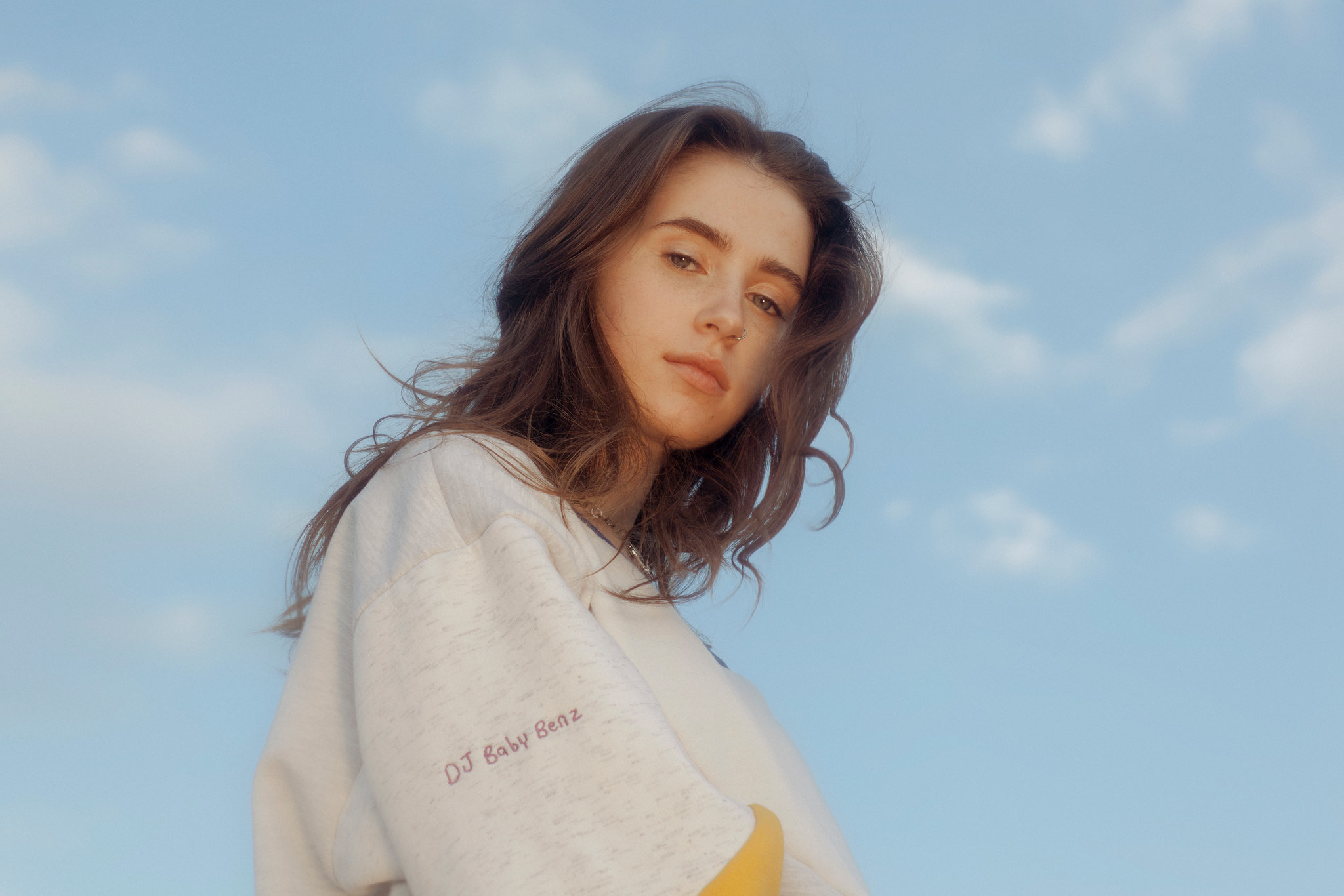
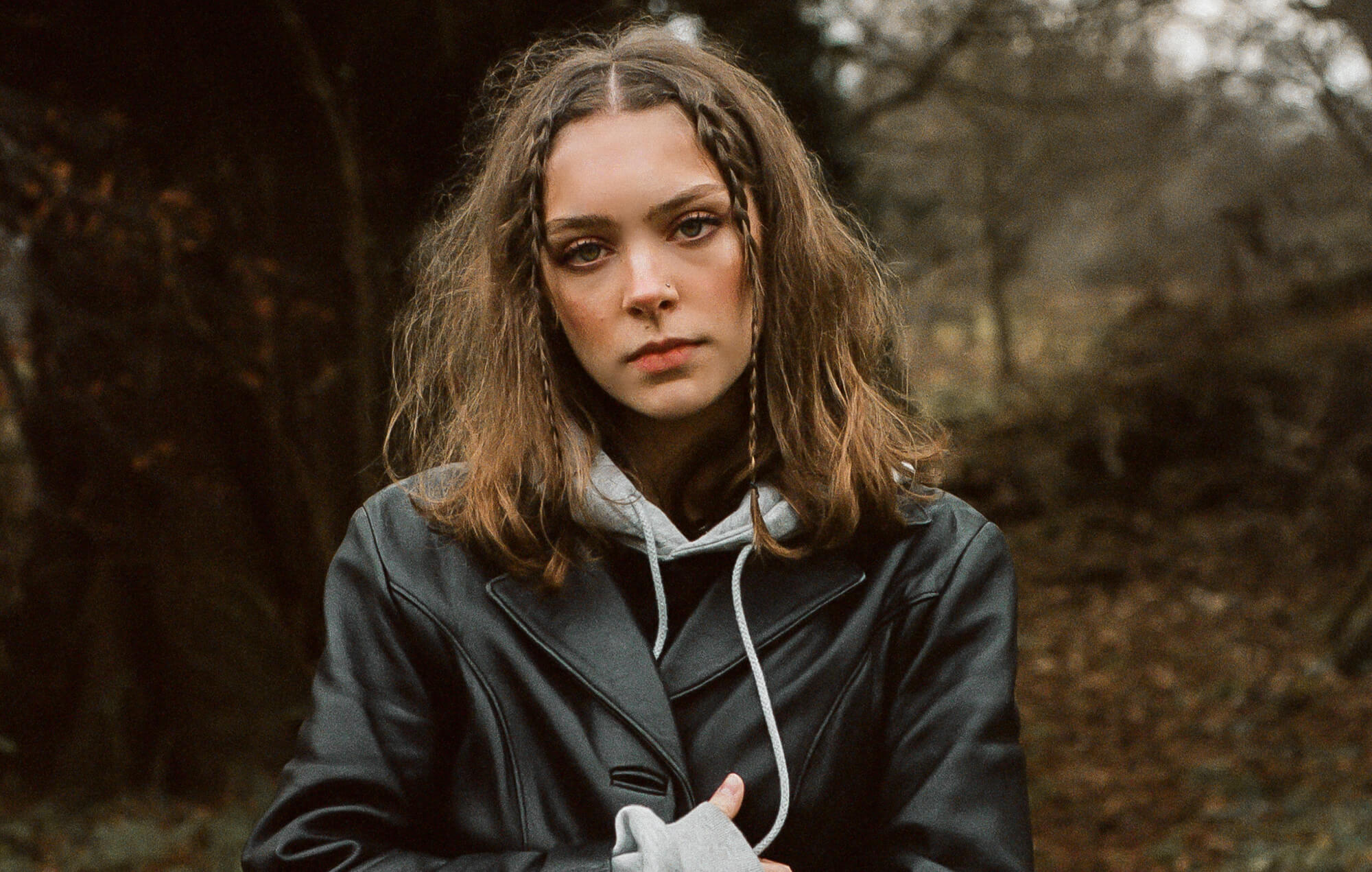
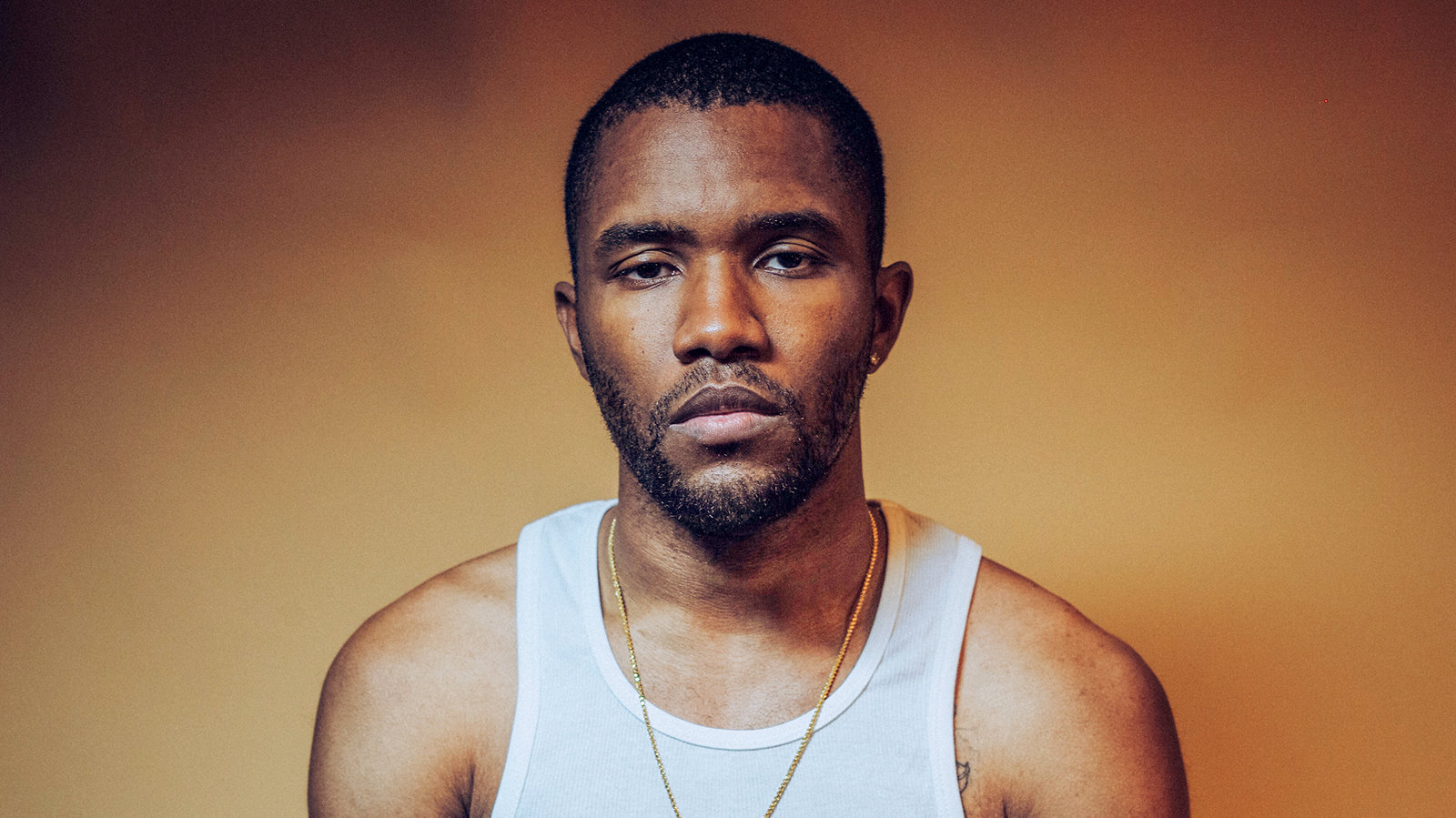
On her recently released full-length album, All the Places I Could Be, 22-year old singer/songwriter Lila Drew offers up an intimately detailed account of self-discovery in real time. Inspired by the works of genre-trailblazing artists like Frank Ocean, The 1975, and Taylor Swift, the album documents her coming-of-age with both unblinking introspection and poetic observation (an element the Yale student also applies to her work in creative nonfiction). The result: an endlessly fascinating body of work that firmly establishes Lila as a vital new voice in left-field pop, capable of capturing the most complex feelings in high-impact songs with strangely timeless power.
“At its core the spirit of the album is about exploration, about uncertainty, and in those emotions, trying to not be overly sincere or overly embellished when it comes to a coming-of-age narrative,” says Drew. “By that, I mean that the goal, lyrically, was to capture the sarcasm and humor and honesty and awkwardness that comes with growing up -- exposing the fact that sometimes I really didn't have anything to write about because there was nothing in my life that felt worthy of writing about.” A big part of trying to capture that kind of honesty also ran through the production of the album. Drew intentionally left in organic noise and demo recordings in the final masters, in order to protect the messiness of the creative process - a choice that mirrors the messiness of emerging from childhood and trying to find your way as an adult.








.svg)
.svg)
.svg)
.svg)
.svg)
.png)
.svg)


.svg)